Hyperlordosis is a condition in which there is an excessive spine curvature in the lower back. Hyperlordosis creates a characteristic C-shaped curve in the lower back, or lumbar region, where the spine curves inward just above the buttocks. It often occurs as a result of poor posture or a lack of exercise
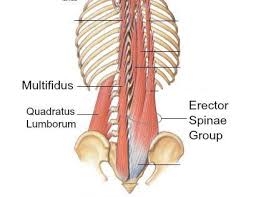
Client’s with Hyperlordosis present with typical muscular and structural imbalances. The low back muscles are tight and anterior abdominal muscles are elongated. The hamstrings are long and weak, while the quadriceps are short and tight. These muscular imbalances rotate the hip into an anterior rotation.
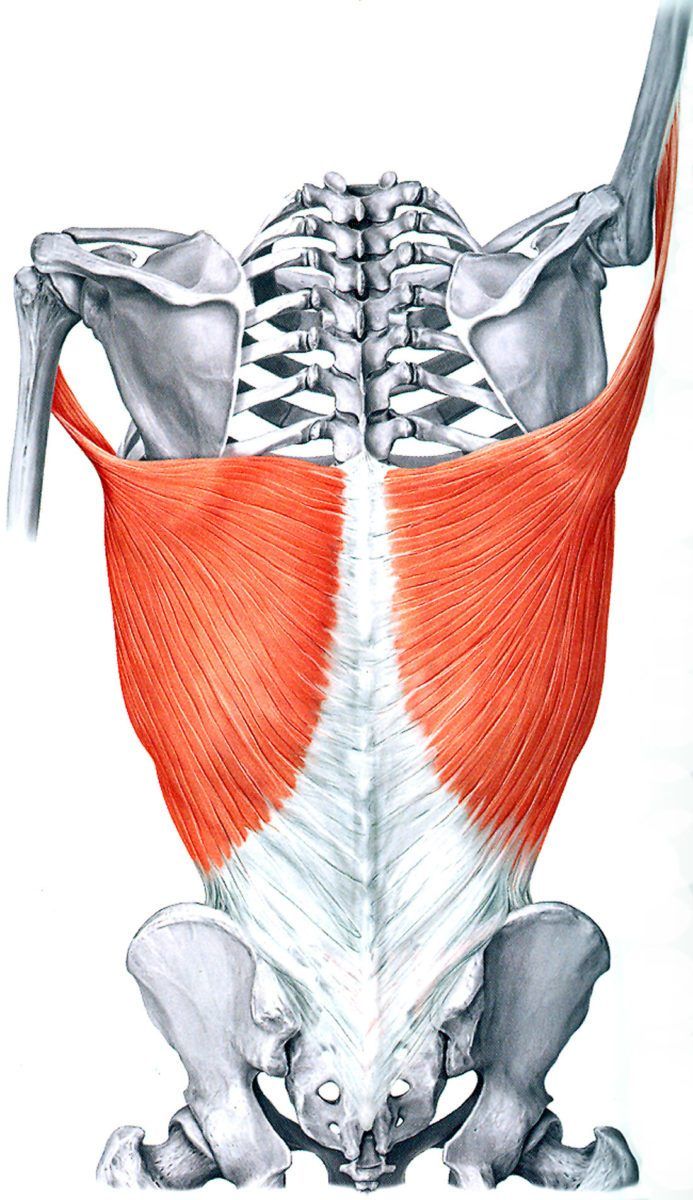
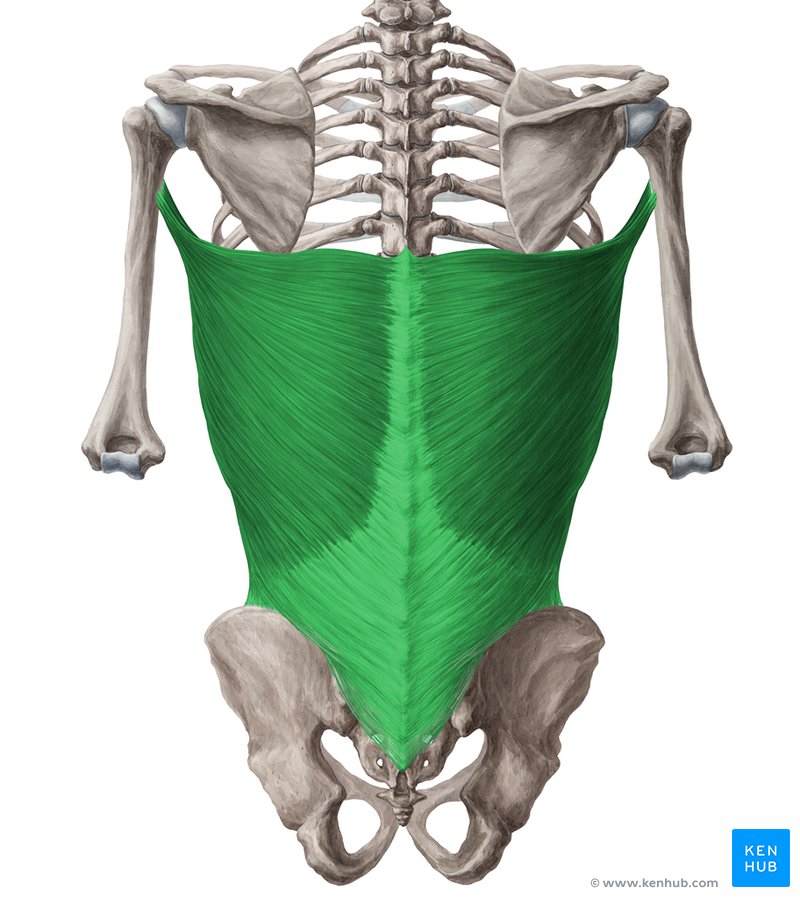
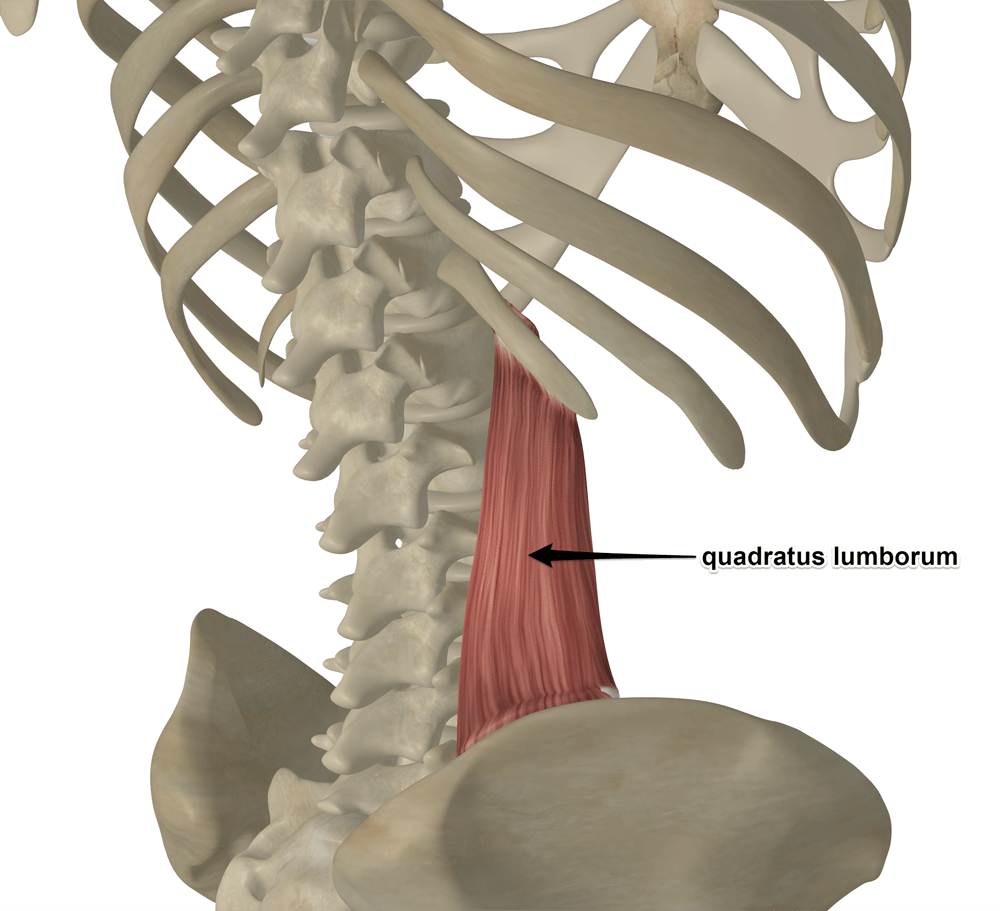
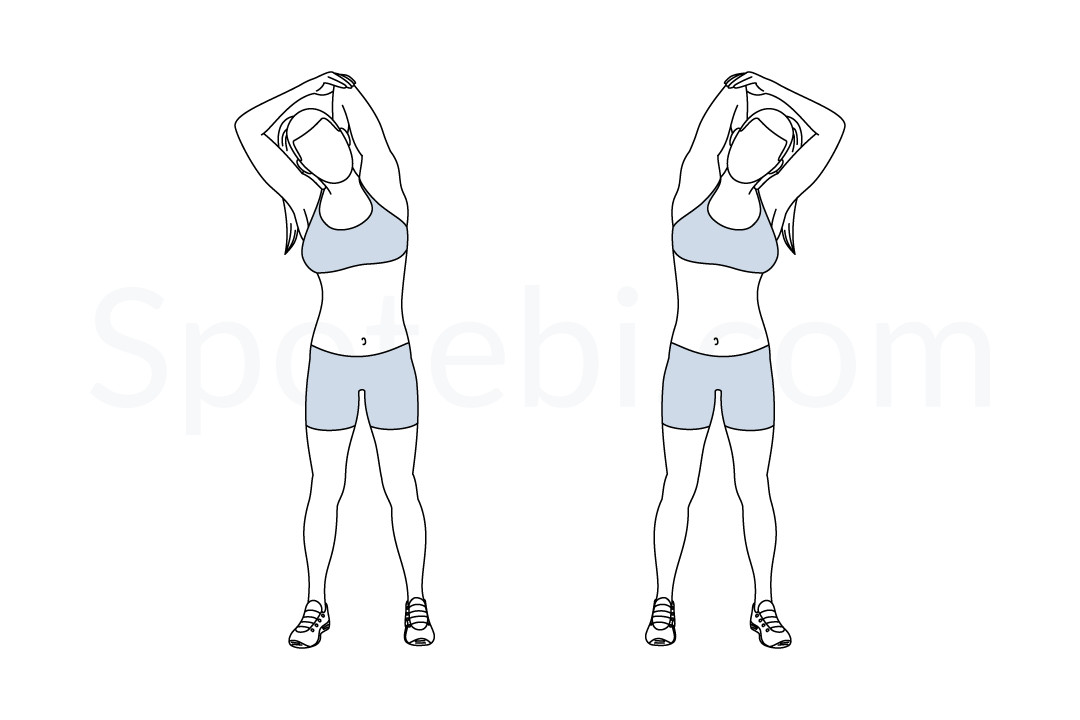
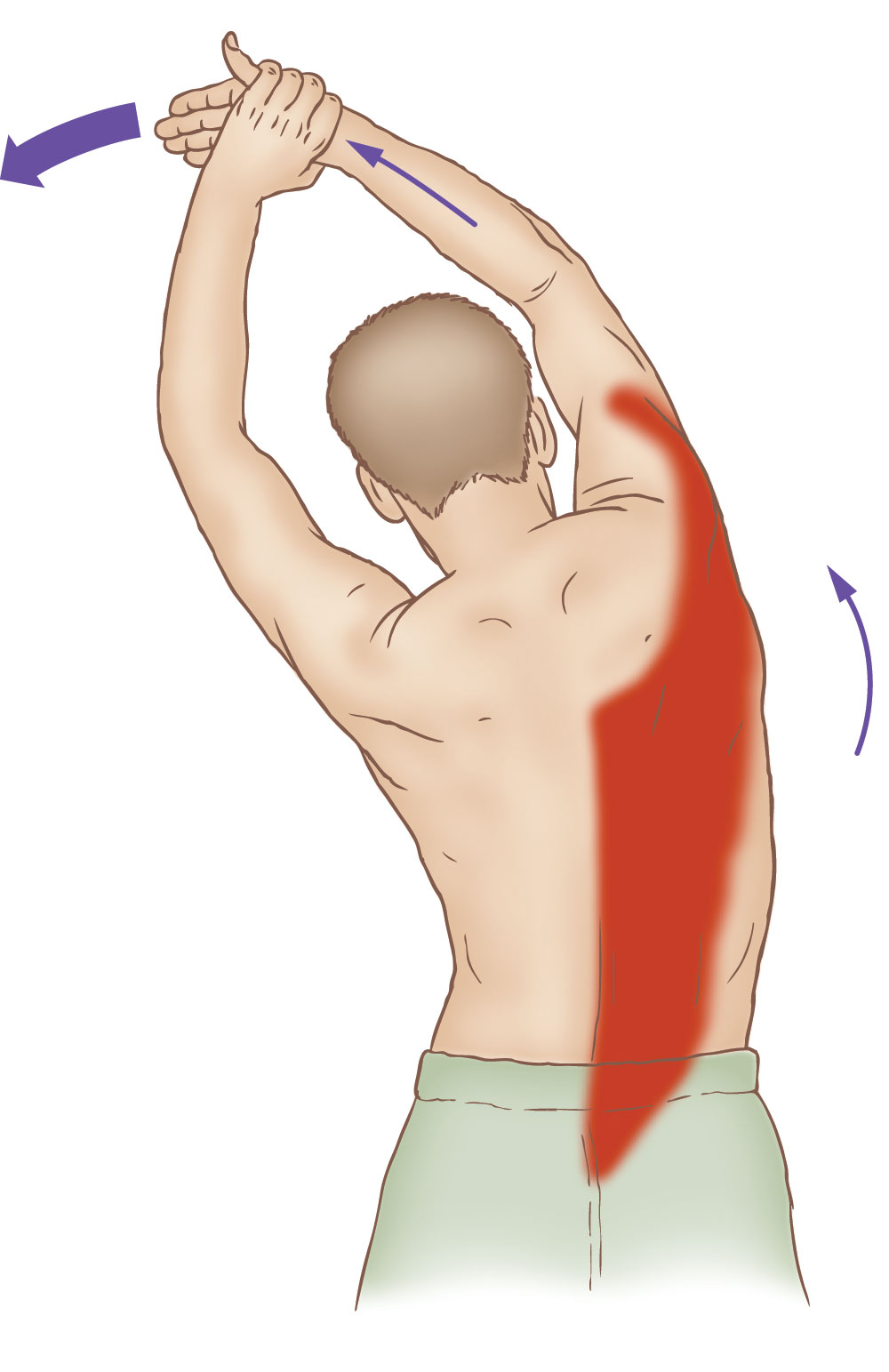
By stretching the quartatus labrum and latismis dorsi we can reduce the stress causing the increased curve in the lumbar spine. By strengthening rectus abdomins, we can help pull the hip back into a more neutral position.
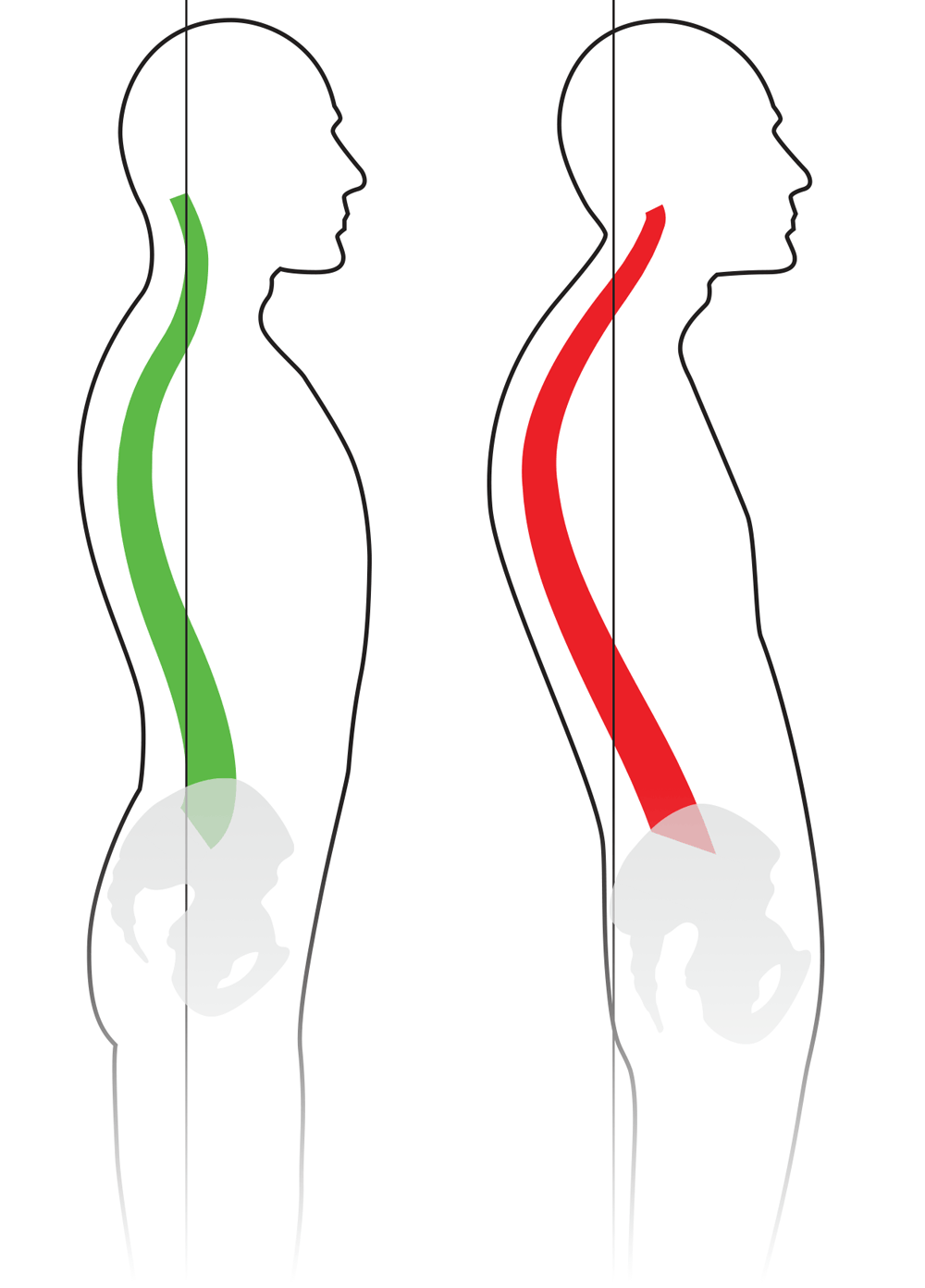
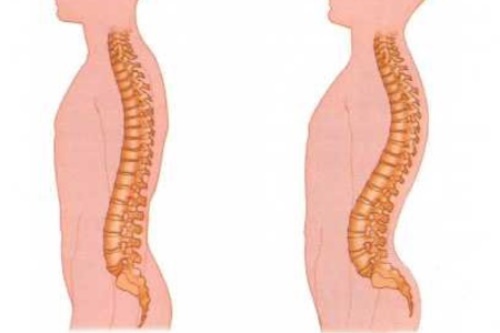
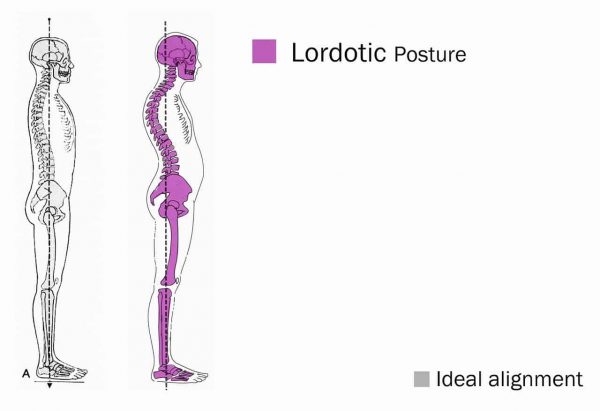
Anatomy
Related Muscles
Stretching
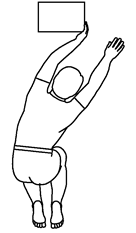
SI joint Squish Test
Purpose: to assess the integrity of the posterior ligaments of the SI joints
Procedure:
- Patient is supine
- Therapist places one hand on the lateral side of each of the patient’s Anterior Superior Iliac Spines
- Therapist apply pressure from lateral to medial (45 °) and then posteriorly.
Positive Sign: pain local to the Sacroiliac joint indicates posterior SI ligament sprain
Straight Leg Raise
Purpose: To determine the cause of low back pain
Procedure:
- Patient is supine.
- Place their affected leg in adduction and internal rotation
- Raise the affected leg by grasping it around the heel and flexing the hip (their affected knee should be extended).
- Flex the hip until the patient feels pain (usually around 70-80 degrees of flexion)
- Slowly lower the leg until no pain is felt by the patient.
- Dorsiflex the patient’s affected foot (this stretches their sciatic nerve)
Positive Signs:
Hamstring Tightness – pain in the back of their thigh and knee during hip flexion
Lumbar or SI Joint Dysfunction – pain in the low back after 70 degrees of hip flexion only (no foot dorsiflexion)
Sciatic Nerve Involvement – pain down the leg during passive dorsiflexion
Space Occupying Lesion or Disc Herniation – pain down their opposite leg ( the one that is not raised
 Bryson Ingram R.M.T.