Anatomy
Patellofemoral syndrome is a very common condition, caused by the patella being pulled out of alignment, usually.laterally.
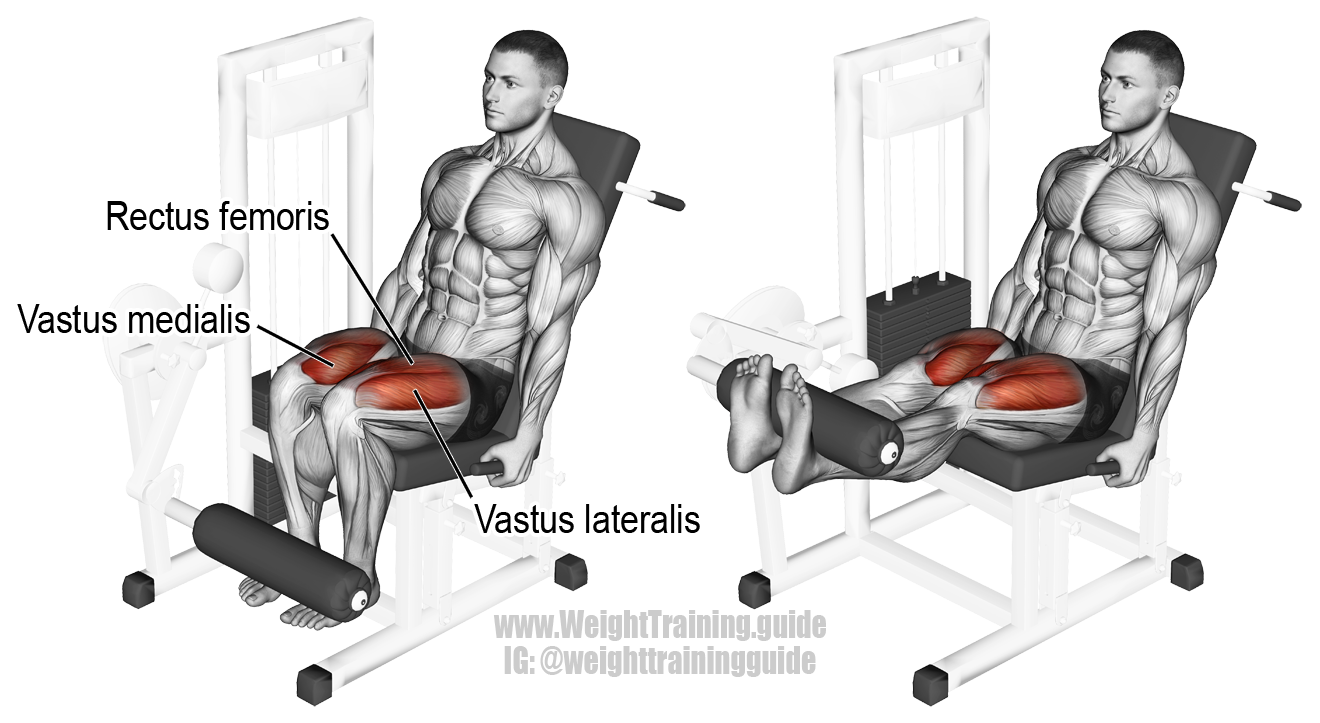
By strengthening vastus mediTestament and stretching the lateral quads and IT Band, we can help correct this tracking problem.
This condition is commonly associated with people who are also dealing with IT Band friction syndrome.
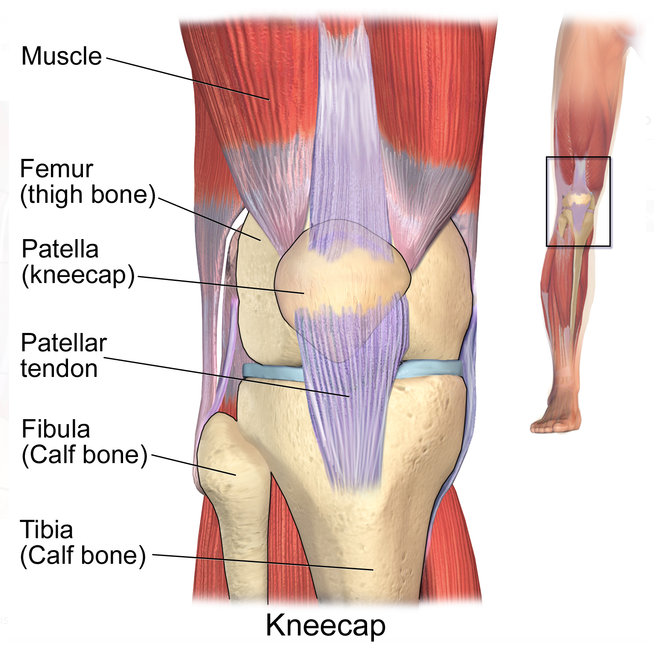

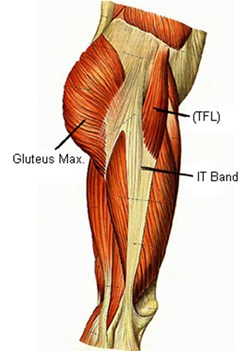
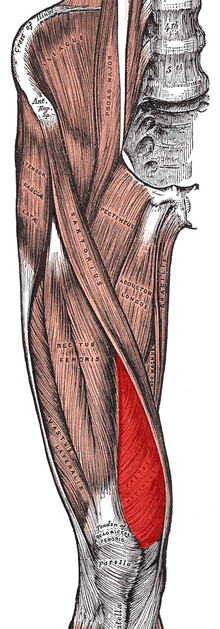
Stretching and self massage
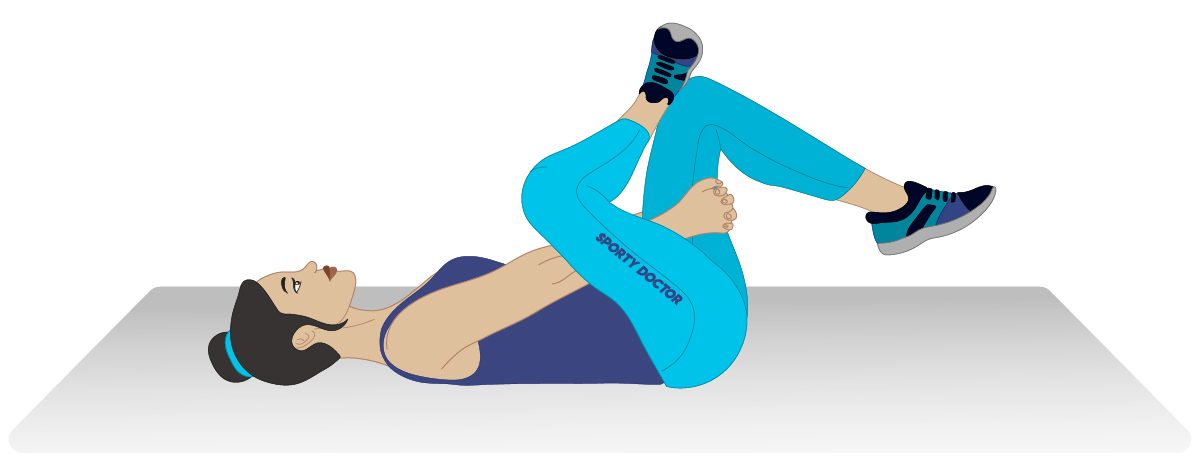
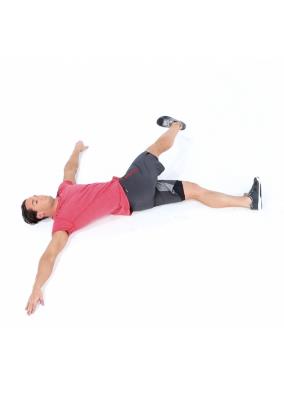
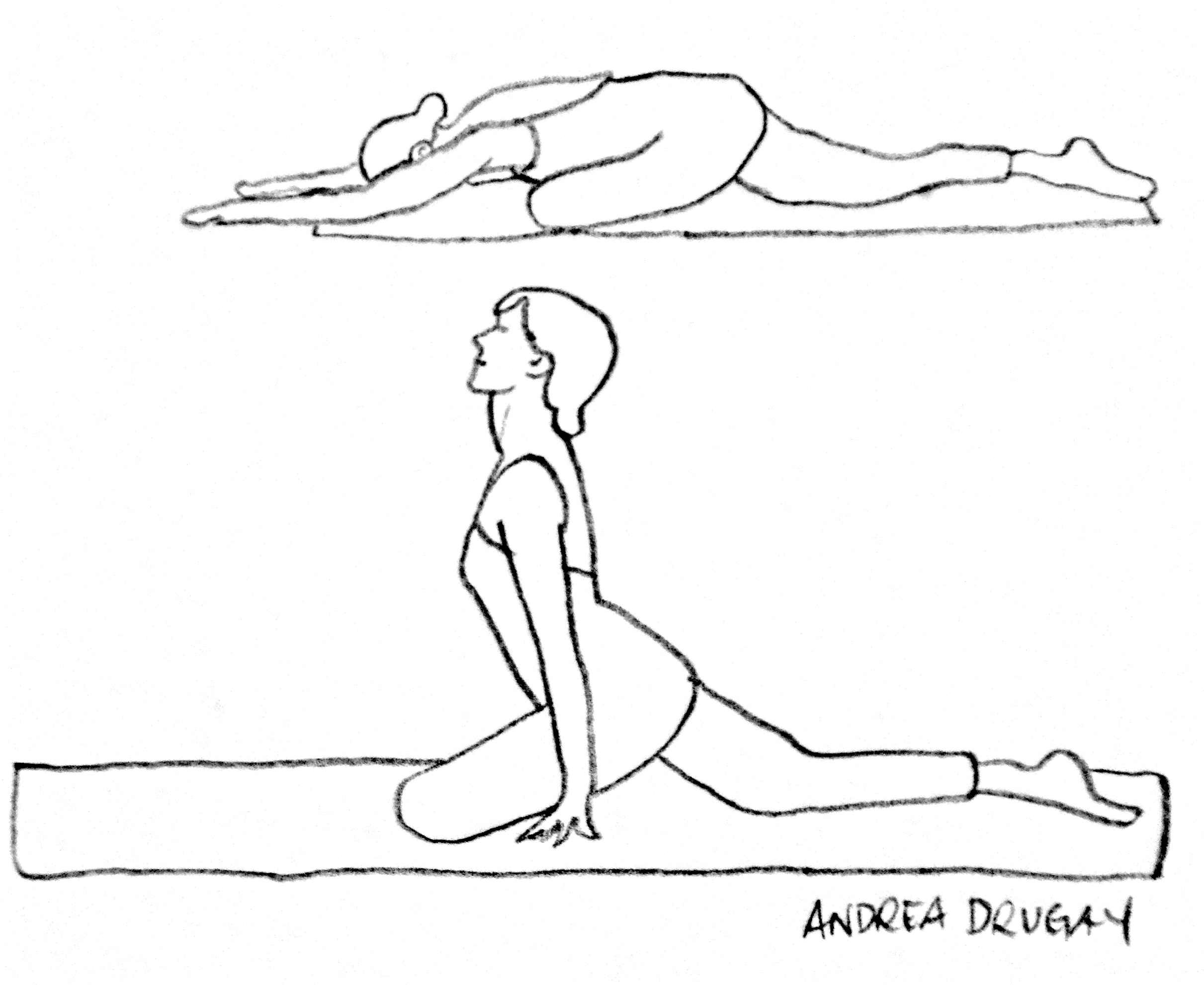
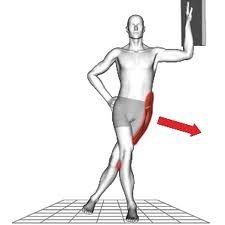
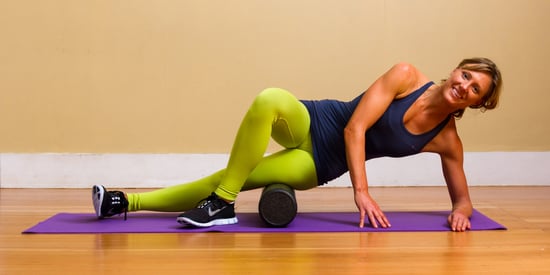
Exercise
By extending the legs against resistance and digging your knuckle or thumb into the vastus medialis, it is possible to increase the load on this muscle and work it harder, then the lateral quads.
Orthopedic Test
Thomas Test.
Waldron’s Test
Testing for:
The Presence of patellofemoral syndrome
Procedure:
- Patient is standing
- Therapist palpates the patella while the patient performs knee bends
Positive Sign:
Presence of pain, crepitus, poor patellar tracking
Major Effusion Test (aka Ballottable Patella)
Purpose:
Usually performed after an injury to assess for a major increase in the synovial fluid or blood within the knee joint capsule
Procedure:
- Patient is supine, the affected knee is extended as much as possible (with effusion, patient may not be able to extend their knee fully)
- Therapist gently extends the knee further, then compresses the patella down on to the condyles then release
Positive Sign:
Patella clicks onto the femur and then rebounds to the floating position. This could be caused by torn cruciate ligaments, meniscal tearing, or fracture and is considered a Medical Emergency. (Joint effusion within two hours of injury might be caused by blood in the joint, and joint effusion with synovial fluid usually develops 8 hours after injury.
Minor Effusion Test (aka Brush Test)
Purpose:
To assess for lesser amounts of synovial fluid within the knee joint right after an injury. This is usually done after the Major Effusion Test comes up negative.
Procedure:
- Patient is supine, their affected knee is extended as much as they can
- Therapist slowly sweeps the effusion from the superior lateral aspect of the knee and suprapatellar pouch
Positive Sign:
A bulge inferior to the patella appears within two seconds, the positive test will indicate from 4-8 millimeters of extra synovial fluid within the joint. This could be caused by cruciate or meniscal damage and is considered a Medical Emergency.
Valgus Stress Test of the Knee
Testing for:
The integrity of the structures that prevent Valgus deformity of the knee (Joint capsule, medial collateral ligament, cruciate ligaments)
Procedure:
- Patient is supine
- Place the affected leg in extension and slight external rotation.
- Stabilize with one hand on the medial malleolus and with the other hand stabilize the lateral aspect of the knee
- Apply a medially directed stress on the lateral knee
- Flex their knee to 30 degrees and apply the same pressure on the lateral side to isolate the medial collateral ligament
Positive Sign:
Presence of pain and hypermobility at the medial aspect of the knee
Varus Stress Test of the Knee
Testing For:
The integrity of the structures that prevent lateral instability at the knee (lateral collateral ligament, joint capsule, cruciate ligaments).
Procedure:
- Patient is supine with the affected knee in full extension.
- Therapist stabilizes the affected leg in slight external rotation with one hand on the lateral malleolus.
- Therapist places their other hand on the medial aspect of the knee.
- Therapist applies a laterally directed (a varus) stress on the medial knee.
- Flex their knee to 30 degrees and apply the same pressure on the lateral side to isolate the lateral collateral ligament
Positive Sign:
Presence of pain and hypermobility at the lateral aspect of the knee
 Bryson Ingram R.M.T.