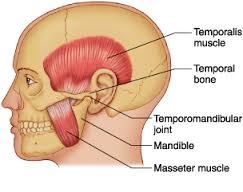
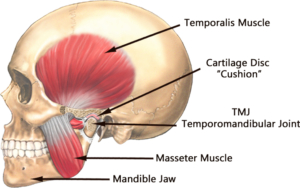
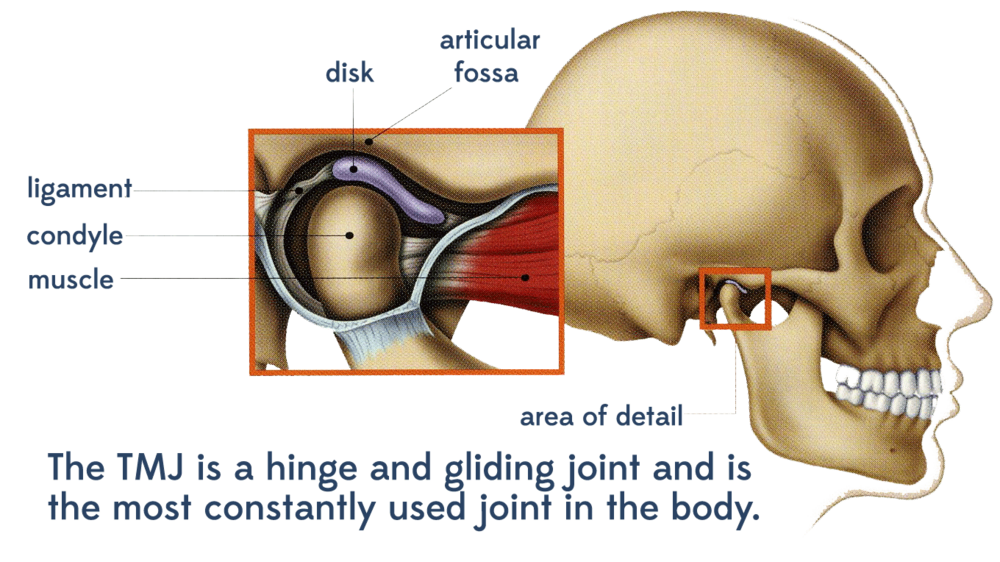
The temporomandibular (tem-puh-roe-man-DIB-u-lur) joint (TMJ) acts like a sliding hinge, connecting your jawbone (mandible) to your skull. You have one joint on each side of your jaw. TMJ disorders — a type of temporomandibular disorder or TMD — can cause pain in your jaw joint and in the muscles that control jaw movement
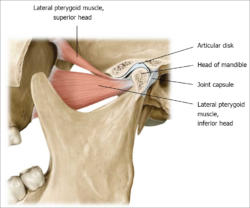
Tight and in balanced muscles can add stress to the TMJ and pull the disc out of alignment. When the disc is pulled out of alignment, the jaw will click either while opening, closing or both. This can cause further damage to the TMJ. Muscle tension around the jaw, can also contribute to Tension Headaches.
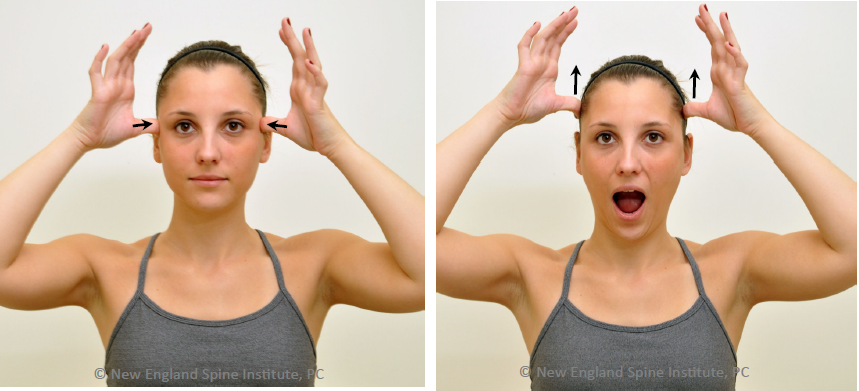
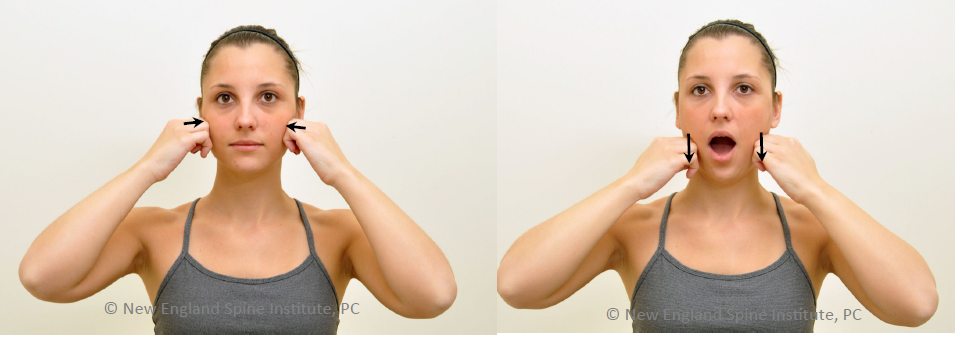
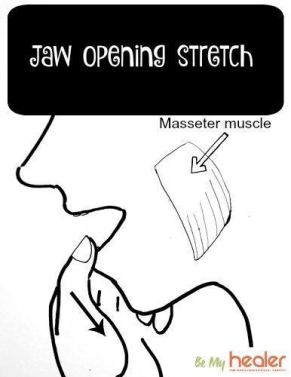
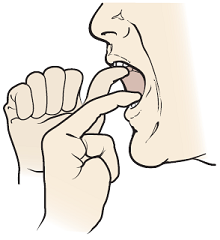
By stretching the master and temporalis muscle, we can reduce the stress on the joint and muscles. By massaging and stretching the lateral and medial pterygoid muscles, we can help to prevent the disc from being pulled out of alignment and allow the joint to function properly.
Anatomy
Stretching

 Bryson Ingram R.M.T.